

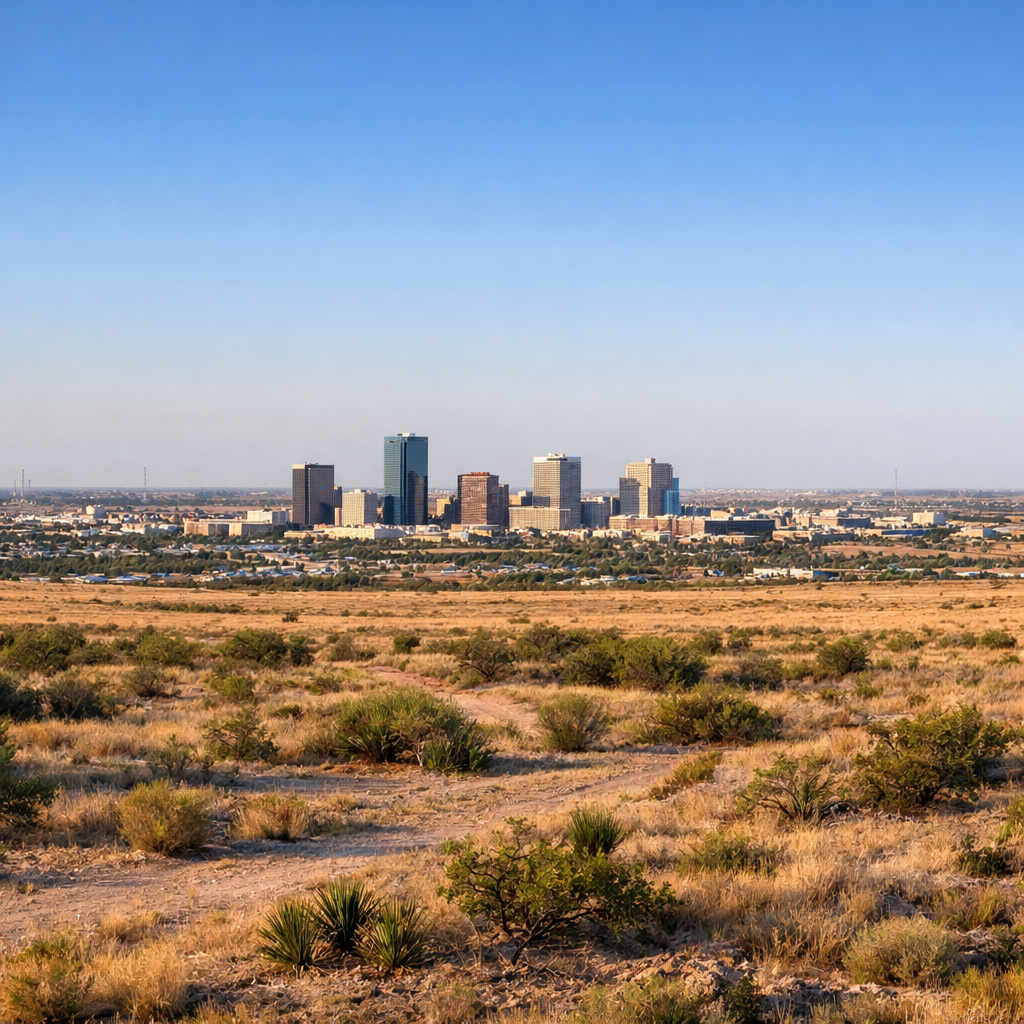
Midland, Texas, situated in the heart of the Permian Basin, experiences a semi-arid climate characterized by hot summers, mild winters, and low annual precipitation. Understanding these patterns is essential for residents and visitors alike.
Seasonal Weather Patterns
Summer
Summers in Midland are notably hot and dry. From mid-May to mid-September, average daily high temperatures exceed 88°F, with July being the hottest month, averaging highs around 95°F. Despite the heat, low humidity levels contribute to a more tolerable environment. Rainfall during this period is minimal, with occasional thunderstorms providing brief relief.
Winter
Winters are generally mild and dry. The cool season spans from late November to mid-February, with average daily high temperatures below 65°F. January is typically the coldest month, with average highs around 59°F and lows near 31°F. Snowfall is rare, averaging about 2 inches annually.
Spring and Fall
Spring and fall serve as transitional periods with moderate temperatures and variable weather. Spring can bring strong winds and occasional dust storms, while fall offers pleasant conditions with decreasing temperatures and minimal precipitation.
Environmental Factors
Dust Storms
Midland’s flat terrain and sparse vegetation make it susceptible to dust storms, particularly in the spring. These events can reduce visibility and impact air quality, posing challenges for transportation and health.
Precipitation and Drought
Annual rainfall averages around 14.9 inches, with most precipitation occurring during late spring and early summer. However, the region is prone to drought conditions, affecting water resources and agriculture.
Heat and Fire Risk
Extreme heat is a significant concern, with projections indicating an increase in the number of days exceeding 101°F in the coming decades. Additionally, about 86% of buildings in Midland are at risk of wildfire, emphasizing the importance of fire safety measures.
Preparing for Midland’s Climate
Residents should stay informed about weather forecasts and be prepared for sudden changes, especially during transitional seasons. Implementing water conservation practices and fire safety measures can mitigate some environmental risks associated with Midland’s climate.
By understanding and adapting to these local weather patterns and environmental factors, the Midland community can better navigate the challenges and opportunities presented by their unique climate.