

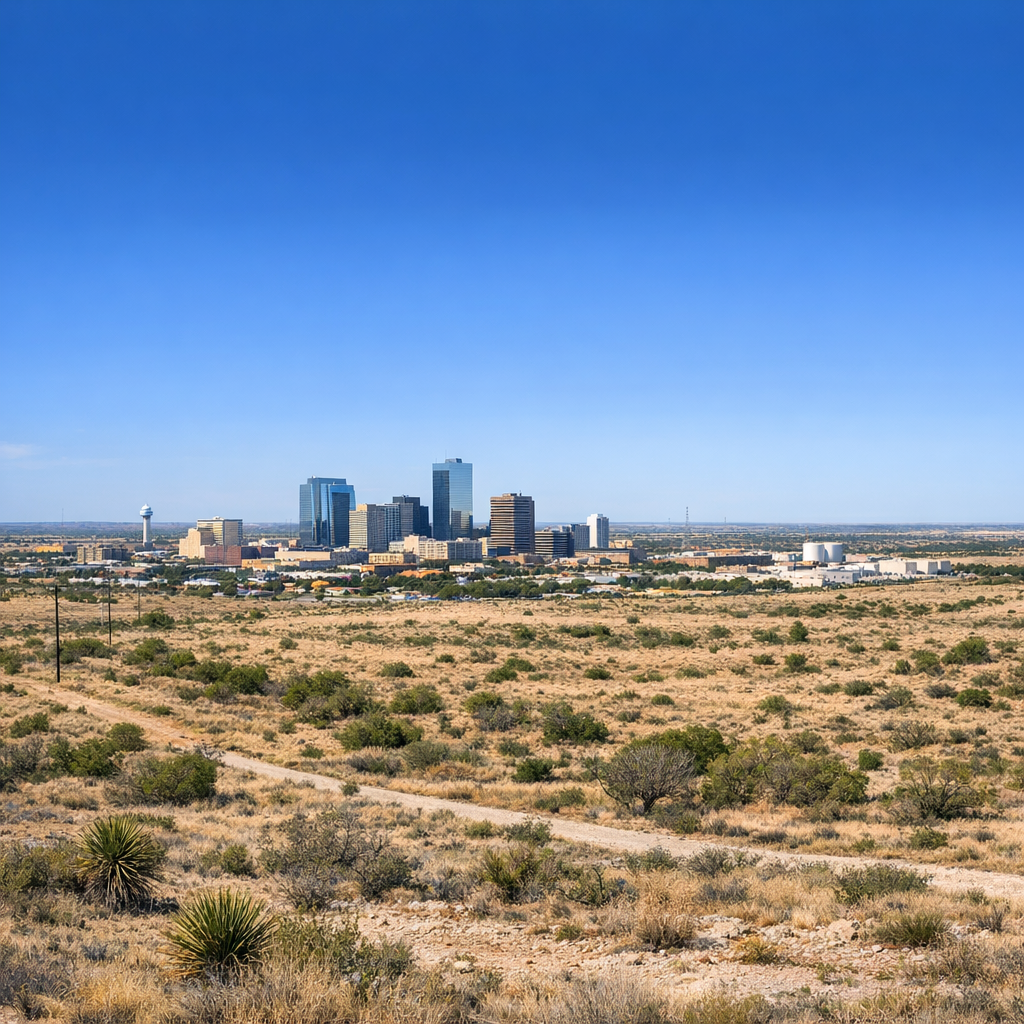
Midland, Texas, situated in the heart of the Permian Basin, experiences a semi-arid climate characterized by hot summers, mild winters, and limited annual precipitation. This unique climate influences various aspects of daily life and the local environment.
Seasonal Overview
Summer
Summers in Midland are notably hot, with average high temperatures reaching 95°F (35°C) in July. The season typically spans from mid-May to mid-September, during which temperatures frequently exceed 90°F (32°C). Despite the heat, the region enjoys over 266 days of sunshine annually, providing ample opportunities for outdoor activities. However, residents should be mindful of the intense sun and take necessary precautions to stay hydrated and protected.
Winter
Winters are relatively short and mild. January, the coldest month, sees average high temperatures around 60°F (16°C) and lows near 32°F (0°C). Snowfall is rare, averaging about 2 inches annually, making Midland’s winters more comfortable compared to many other regions.
Spring and Autumn
Spring and autumn serve as transitional periods with moderate temperatures. Spring often brings thunderstorms, contributing to the majority of the area’s annual rainfall, which averages approximately 14.9 inches. These storms can be intense but are usually brief. Autumn is marked by clear skies and pleasant temperatures, making it an ideal time for outdoor events and activities.
Environmental Considerations
Midland’s semi-arid climate presents specific environmental challenges. The limited rainfall and high evaporation rates can lead to water scarcity concerns. The City of Midland’s Environmental Compliance department ensures that drinking water and wastewater meet Texas Commission on Environmental Quality (TCEQ) standards, addressing issues such as water discoloration, odor, or taste. Residents are encouraged to report any water quality concerns to the department for prompt investigation and resolution.
Additionally, the region’s flat terrain and sparse vegetation make it susceptible to dust storms, particularly during late winter and early spring when strong winds are common. These conditions can reduce visibility and impact air quality. Midland County has implemented a storm water management plan to reduce pollutants in storm water runoff, aiming to protect water quality by addressing issues like illegal dumping and improper disposal of oil and gas waste.
Adapting to the Climate
Understanding and adapting to Midland’s climate is essential for residents. During the hot summer months, it’s crucial to stay hydrated, wear appropriate clothing, and limit outdoor activities during peak heat hours. In the event of thunderstorms, staying informed through local weather updates can help residents prepare for potential flash flooding or severe weather conditions.
By staying informed and proactive, Midland residents can effectively navigate the challenges and enjoy the benefits of their unique semi-arid environment.